Emergency Medicine Research & Innovation

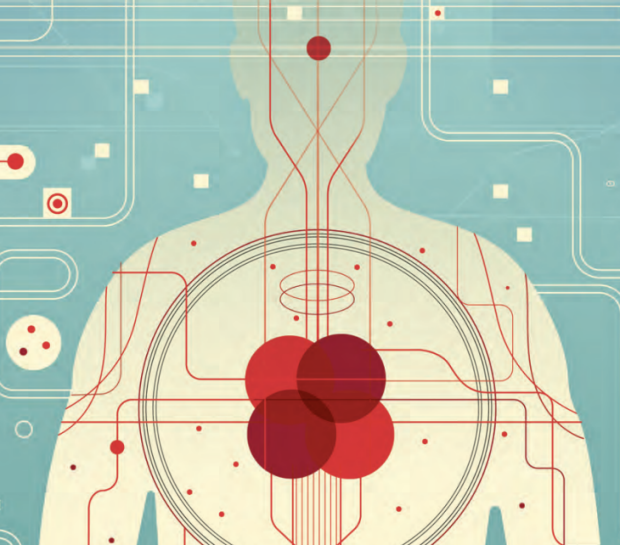
Stanford is leading in the advancement of emergency medicine through innovation and scientific discovery. Our research goal is to transform health care for all through Precision Emergency Medicine. The department benefits from collaboration with other disciplines at Stanford, within local Silicon Valley, and across the globe. An ecosystem of resources propels faculty, fellows, and residents to secure funding and develop research to advance innovation.

Since 2019, our physician-researchers have published more than 1,000 studies on a wide variety of topics in acute care and global health.

Highlighted Research

  • Building a Virtual Care Model for Emergency Medicine

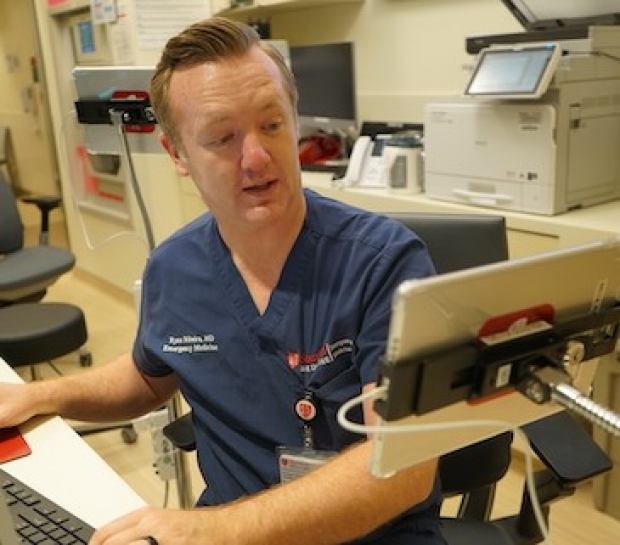
    Stanford’s Virtual Visit Track (VVT) in the emergency department revolutionizes patient care, enabling remote consultation by board-certified emergency medicine physicians, resulting in shorter stays, satisfied patients, and fewer return visits.

  • What Digital Health Tells Us About Disease

    Dr. Christine Ngaruiya uses Natural Language Processing to reveal gender gaps in noncommunicable diseases and leads global efforts linking health and climate change to drive policy and action.

  • Advancing Evidence-Based Pediatric Prehospital Care

    A new national EMS pediatric readiness assessment sets the first U.S. benchmark for how prepared 911 agencies are to care for children, identifying gaps in quality improvement, system coordination, and family-centered care.

  • Emergency Care for Patients with Dementia

    Michelle Lin, MD, MPH, MS, an advocate for comprehensive geriatric care, investigates the accessibility and impact of geriatric emergency departments, aiming to bridge the gap for marginalized populations.

  • Using Digital Devices to Expand Care Beyond the Emergency Department

    As an associate professor of emergency medicine, Brian Suffoletto, MD sees emergency department (ED) patient encounters as opportunities to identify individuals with specific risks and connect them to effective interventions that help them adopt behavioral changes after they leave the ED.

  • Using AI to Save Lives in Rural Alaska

    Brian Rice, MD, uses machine learning to analyze medevac utilization in remote areas of Alaska where air transport is the lifeline for emergencies.

  • Complex Care Plans for Frequent ED Visitors

    A pilot program targeting frequent ED visitors has reduced ED recidivism and inpatient admissions and saved $710,000 in the first six months while enhancing care pathways.


Quick Links